

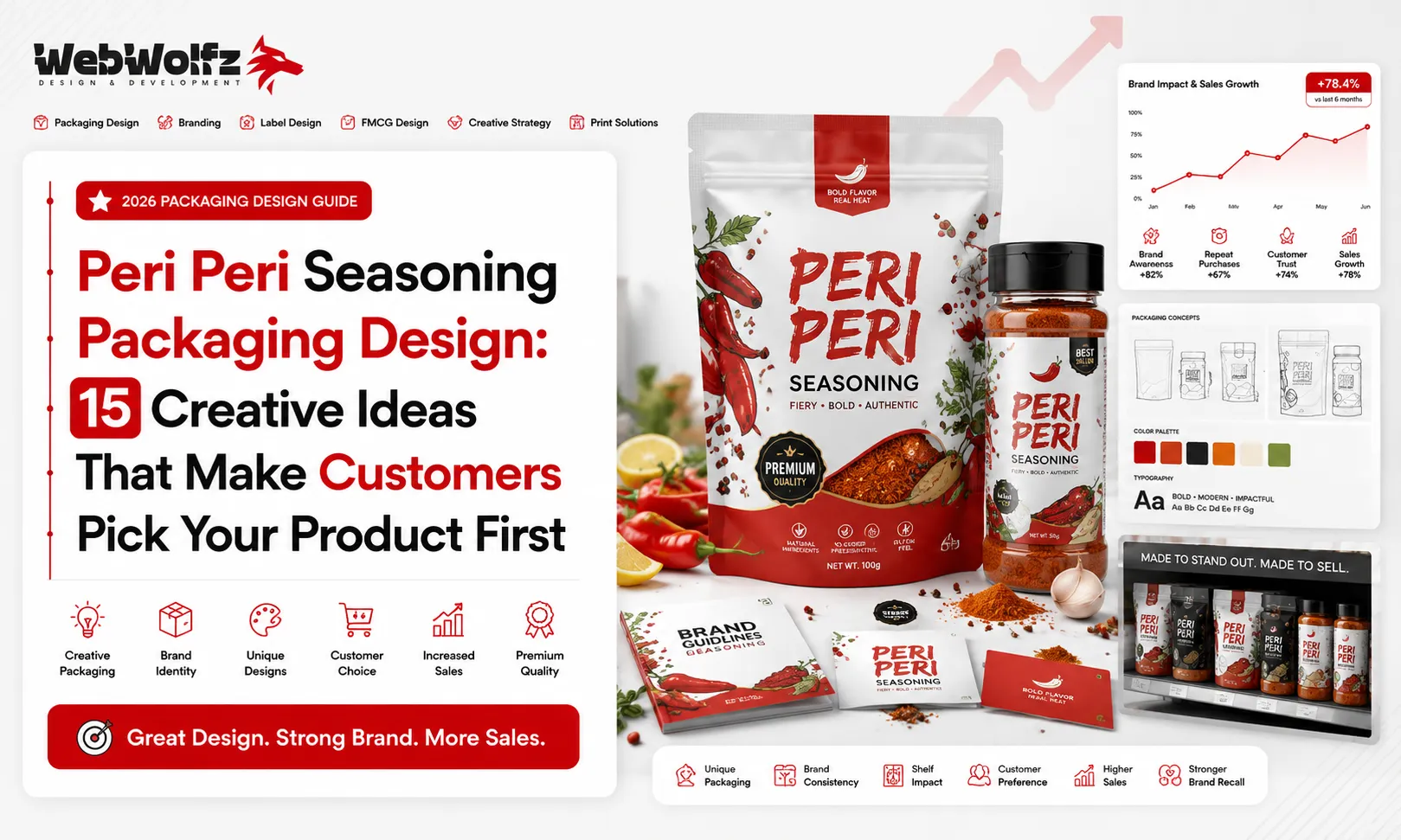
Walk into any supermarket or browse an online grocery store, and you’ll notice hundreds of spice and seasoning products competing for attention. Customers usually spend only a few seconds deciding which product to pick. During that brief moment, packaging often influences the purchase more than the product itself.
A great seasoning deserves packaging that instantly communicates quality, flavor, freshness, and trust. Attractive packaging does much more than protect the product. It becomes a silent salesperson that captures attention before customers even read the ingredients.
Whether you’re launching a new spice brand or redesigning an existing product, investing in thoughtful packaging can significantly improve sales. This guide explores 15 creative packaging ideas that help Peri Peri seasoning products stand out on crowded shelves while building long-term brand recognition.
Why Packaging Matters More Than Ever
Consumers today buy with their eyes first.
Before they taste a product, they judge it based on appearance, colors, typography, material quality, and overall presentation.
Studies consistently show that packaging strongly influences purchasing decisions, especially for food products. Eye-catching packaging increases product visibility, encourages first-time purchases, and strengthens customer trust.
According to NielsenIQ, packaging remains one of the most influential factors affecting consumer buying decisions because it communicates product quality and brand personality before the purchase.
Modern food brands treat packaging as a marketing investment rather than simply a protective container.
1. Use Bold Color Psychology
Peri Peri seasoning is associated with bold flavors, heat, excitement, and energy.
Colors should reflect those emotions.
Popular combinations include:
- Deep Red
- Fiery Orange
- Warm Yellow
- Charcoal Black
- Clean White
Using contrasting colors helps products become visible from a distance while communicating intensity and premium quality.
2. Highlight the Hero Ingredient
Customers want to know exactly what they’re buying.
Instead of generic graphics, feature realistic illustrations or photography showing ingredients such as:
- Red chillies
- Garlic
- Paprika
- Lemon
- Herbs
- Crushed spices
Authentic ingredient visuals create appetite appeal and improve trust.
3. Create a Strong Brand Identity
Many seasoning products look almost identical.
A memorable logo, consistent typography, and recognizable color palette help customers remember your product.
Your packaging should remain consistent across:
- Pouches
- Bottles
- Sachets
- Gift packs
- Retail displays
- Online marketplaces
Strong branding increases repeat purchases because customers recognize the product instantly.
4. Keep Typography Clean and Readable
Customers should immediately understand:
- Product name
- Flavor
- Spice level
- Weight
- Brand name
Avoid decorative fonts that reduce readability.
Large bold typography creates stronger shelf impact and improves online visibility in product listings.
5. Use Modern Minimalist Design
Minimal packaging has become increasingly popular.
Rather than filling every inch with graphics, use strategic whitespace.
Minimal designs often appear:
- Premium
- Modern
- Trustworthy
- High quality
Simple layouts also make important product information easier to find.
6. Showcase Spice Level Clearly
One of the biggest frustrations for customers is not knowing how spicy a seasoning will be.
Use visual indicators such as:
🌶 Mild
🌶🌶 Medium
🌶🌶🌶 Hot
🌶🌶🌶🌶 Extra Hot
Simple heat icons help shoppers choose confidently.
7. Add Transparent Windows
Many customers like seeing the actual seasoning before purchasing.
A small transparent window increases confidence because buyers can evaluate:
- Texture
- Color
- Freshness
- Ingredient quality
This works particularly well for stand-up pouches.
8. Use Premium Packaging Materials
Packaging quality influences perceived product value.
Popular choices include:
- Matte laminated pouches
- Kraft paper packaging
- Premium PET jars
- Glass bottles
- Soft-touch finishes
Premium materials help justify higher pricing while improving shelf appeal.
9. Design for Online Shopping
Today, packaging must perform equally well online.
Many customers first discover products on:
- Amazon
- Flipkart
- BigBasket
- Blinkit
- Instamart
- Brand websites
Your design should remain attractive even as a small product thumbnail.
Large typography and clean layouts perform significantly better in online marketplaces.
10. Tell Your Brand Story
Customers increasingly connect with brands rather than products.
Include a short story explaining:
- Brand inspiration
- Product philosophy
- Quality commitment
- Ingredient sourcing
Storytelling builds emotional connections and encourages customer loyalty.
11. Focus on Sustainability
Eco-friendly packaging has become a major purchasing factor.
Many consumers actively prefer brands using:
- Recyclable packaging
- Reduced plastic
- Reusable containers
- Sustainable materials
According to the Sustainable Packaging Coalition, environmentally responsible packaging continues influencing purchasing decisions across global markets.
https://sustainablepackaging.org/
Sustainability also strengthens overall brand reputation.
12. Add QR Codes for Customer Engagement
QR codes create opportunities beyond the packaging itself.
Customers can scan to access:
- Recipes
- Cooking videos
- Brand story
- Product range
- Social media
- Offers and discounts
Interactive packaging creates stronger customer engagement.
13. Differentiate Flavor Variants
If your brand offers multiple seasonings, each flavor should have a distinct visual identity while maintaining brand consistency.
For example:
- Original Red
- Lemon Yellow
- Smoky Black
- Garlic White
- Extra Hot Dark Orange
This helps customers quickly identify their preferred variant.
14. Make Information Easy to Read
Important details should never feel crowded.
Clearly display:
- Ingredients
- Nutrition Facts
- Manufacturing Date
- Expiry Date
- Storage Instructions
- Certifications
- FSSAI Information
Organized information builds trust and improves customer confidence.
15. Create Instagram-Worthy Packaging
Today’s packaging often becomes free marketing.
Customers regularly share attractive food products on Instagram, Facebook, and YouTube.
Design elements that encourage sharing include:
- Premium finishes
- Modern illustrations
- Bold typography
- Unique shapes
- Vibrant colors
- Luxury branding
Highly shareable packaging increases brand exposure without additional advertising costs.
Common Packaging Mistakes Brands Should Avoid
Even excellent seasoning products can struggle because of weak packaging.
Avoid these common mistakes:
- Too many colors
- Poor typography
- Generic stock graphics
- Weak hierarchy
- Cheap-looking materials
- Confusing layouts
- Inconsistent branding
- Low-quality printing
- Missing product benefits
Small improvements often create significant increases in shelf visibility and customer interest.
Why Professional Packaging Design Delivers Better Results
Successful food packaging combines branding, psychology, consumer behavior, printing knowledge, compliance requirements, and marketing strategy.
Instead of relying on generic templates, many food brands choose professional designers who understand FMCG packaging and retail shelf competition.
If you’re launching a new seasoning product or planning a redesign, professional packaging design can help create a stronger first impression and improve long-term sales performance.
Learn more about professional food packaging solutions:
https://webwolfz.com/blog/packaging-design-services-for-food-brands/
Need help creating premium packaging that customers instantly notice?
Contact the WebWolfz team:
https://webwolfz.com/contact-us
Conclusion
Excellent packaging transforms an ordinary seasoning into a memorable brand. From color psychology and typography to storytelling and sustainable materials, every design decision influences purchasing behavior.
Brands that invest in creative packaging don’t simply attract attention—they build trust, encourage repeat purchases, and create stronger shelf presence in increasingly competitive markets.
A thoughtfully designed Peri Peri seasoning package can become one of your most powerful marketing tools, helping customers choose your product before they even experience its flavor.
Frequently Asked Questions
Why is packaging design important for Peri Peri seasoning?
Packaging is often the first thing customers notice. A professional design builds trust, communicates product quality, improves shelf visibility, and encourages customers to choose your seasoning over competing brands.
What colors work best for Peri Peri seasoning packaging?
Bold colors such as red, orange, yellow, black, and white are commonly used because they represent heat, flavor, freshness, and premium quality while helping products stand out on retail shelves.
How can packaging increase food product sales?
Well-designed packaging attracts attention, communicates product benefits clearly, improves brand recognition, creates customer trust, and influences purchasing decisions both in physical stores and online marketplaces.
Should spice packaging include transparent windows?
Yes. Transparent windows allow customers to see the seasoning’s texture and freshness, increasing confidence before making a purchase and improving perceived product quality.
What information should every seasoning package include?
Every package should clearly display the product name, ingredients, nutritional information, spice level, net weight, manufacturing and expiry dates, storage instructions, barcode, certifications, and regulatory details.
How does branding affect food packaging?
Strong branding creates recognition, builds customer loyalty, differentiates products from competitors, and makes it easier for customers to identify your products across retail stores and online platforms.
Why choose WebWolfz for food packaging design?
WebWolfz creates premium, market-focused packaging designs that combine branding, consumer psychology, shelf appeal, and modern design trends to help food brands increase visibility, strengthen customer trust, and improve product sales.