

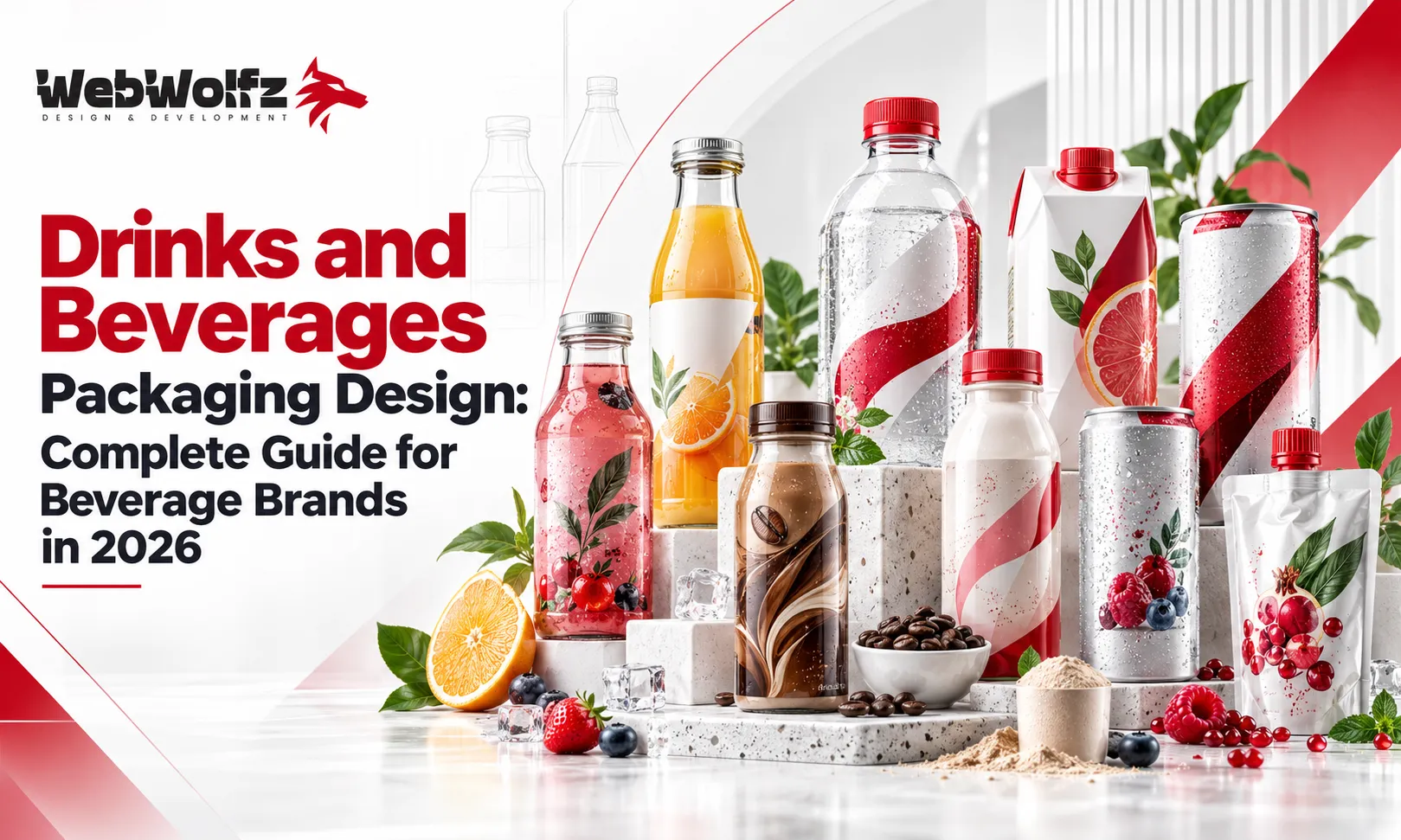
The beverage industry is no longer limited to traditional water, tea, coffee, juice, and soft drinks. Today’s market includes protein drinks, electrolyte beverages, functional waters, energy drinks, plant-based beverages, RTD coffee, probiotic drinks, and many other products designed around specific consumer needs.
As the number of beverage products increases, packaging has become one of the most important ways for a brand to communicate its identity. Before customers taste a drink, they usually see the bottle, can, pouch, carton, or label. That first visual impression can influence whether they notice the product, understand what it offers, and decide to learn more.
This is where drinks and beverages packaging design becomes more than a simple graphic design exercise. Good packaging combines brand identity, product positioning, information hierarchy, usability, production requirements, and shelf visibility into one consistent experience.
Whether you are launching a new beverage or refreshing an existing product, the packaging should make the product easy to recognize and easy to understand.
DRINKS & BEVERAGES PACKAGING 2026
Create Packaging That Makes Your Beverage Brand Stand Out
Web Wolfz helps beverage brands create distinctive packaging, label design, branding systems, and market-ready visuals that make drinks stand out on retail shelves and digital platforms.
What Is Beverage Packaging Design?
Beverage packaging design is the process of creating the visual and structural presentation of a drink for its intended market.
It can include the bottle or can, label, cap, typography, colors, illustrations, graphics, photography, materials, packaging shape, and information displayed on the product.
The objective is not simply to make a package attractive. A successful package should answer important questions quickly. What is the product? What type of drink is it? Who is it made for? What makes it different? What flavor is it? What benefit or experience does it offer?
A premium sparkling water, for example, may use a minimal visual identity and sophisticated typography. An energy drink may require stronger contrast and a more energetic appearance. A protein shake may emphasize nutrition and performance, while a beauty beverage may use a more refined wellness-focused aesthetic.
You can learn more about the overall process in this detailed guide to beverage packaging design.
Why Packaging Matters for Drinks and Beverages
Packaging is often the first physical touchpoint between a consumer and a beverage brand.
In a supermarket, convenience store, café, gym, or online marketplace, customers may compare dozens of products at the same time. A strong package helps a product establish visual recognition quickly.
Packaging also communicates positioning. The same beverage category can target completely different audiences. A low-cost everyday drink and a premium functional drink may contain similar basic ingredients but require completely different visual strategies.
Packaging also needs to work beyond the shelf. The same product may appear in social media photographs, ecommerce listings, advertisements, restaurant menus, delivery platforms, and promotional campaigns.
This means the package should be recognizable both in a physical store and on a smartphone screen.
Common Types of Beverage Packaging
Different drinks require different packaging formats. The choice depends on the product, target market, shelf life, price point, distribution channel, and consumption occasion.
Bottle Packaging
Bottles are among the most common formats for beverages. Water, juice, soft drinks, energy drinks, sports drinks, functional beverages, and ready-to-drink products frequently use bottles.
Bottle design includes more than the printed label. The shape, transparency, neck, cap, grip, material, and label area all influence the final appearance.
A distinctive bottle can become an important brand asset when consumers begin recognizing the product from its silhouette alone.
Can Packaging
Cans are widely used for energy drinks, carbonated beverages, sparkling water, RTD coffee, and functional drinks.
One major advantage is the large printable surface. This allows designers to create bold graphics, strong typography, and clear product identification.
However, the design still needs a clear information hierarchy. The brand name, beverage category, flavor, and key proposition should not compete equally for attention.
Pouch Packaging
Pouches are useful for beverage powders, concentrates, nutritional products, and portable drink formats.
They can offer excellent branding space while also being lightweight and convenient. However, designers need to consider how graphics appear when flexible packaging folds or bends.
For products in the hydration category, hydration drink packaging design shows how functional positioning can be translated into a clear package identity.
Carton Packaging
Cartons are commonly associated with milk, plant-based beverages, juices, and some functional drinks.
The multiple printable panels provide room for product storytelling, ingredients, nutrition information, preparation instructions, and brand communication.
For plant-based beverages, packaging often needs to communicate the specific base ingredient, such as oat, almond, soy, or coconut, while maintaining a strong overall brand identity.
Glass Bottle Packaging
Glass bottles are often associated with premium positioning.
They can work particularly well for specialty juices, premium water, kombucha, mixers, craft beverages, and selected coffee products.
The transparency and weight of glass can contribute to a premium experience, although transportation, storage, and breakage need to be considered during packaging development.
Packaging Design for Different Beverage Categories
There is no universal visual style that works for every drink. The packaging should reflect what the product represents.
Water and Hydration Drinks
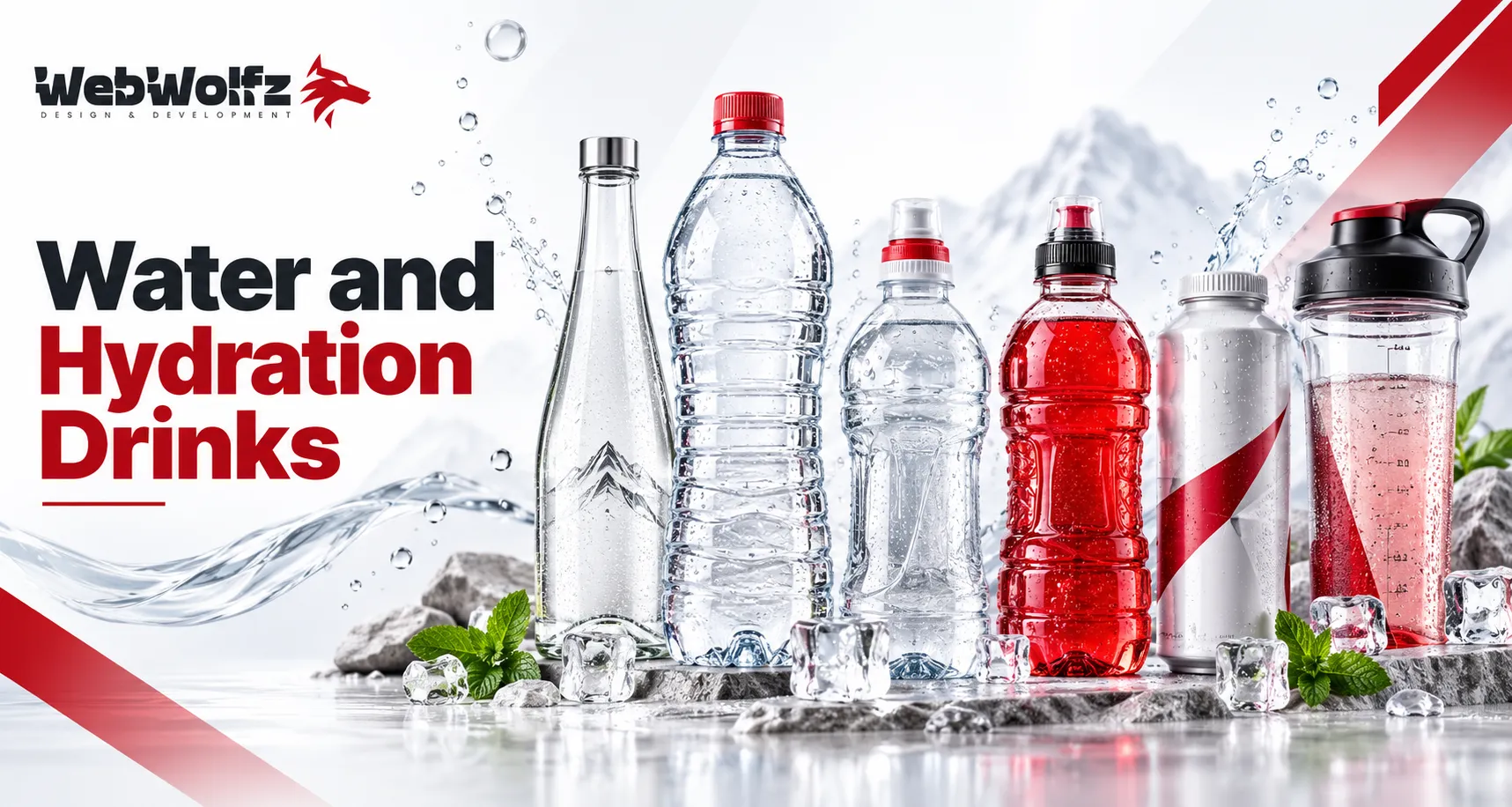
Water packaging usually focuses on purity, freshness, simplicity, and trust.
Functional hydration products can take a different direction by highlighting electrolytes, performance, recovery, or convenience.
For example, an electrolyte beverage needs to make its functional proposition understandable without turning the package into a wall of information. This is why electrolyte drink packaging design requires a strong balance between product benefits and visual simplicity.
Energy Drink Packaging
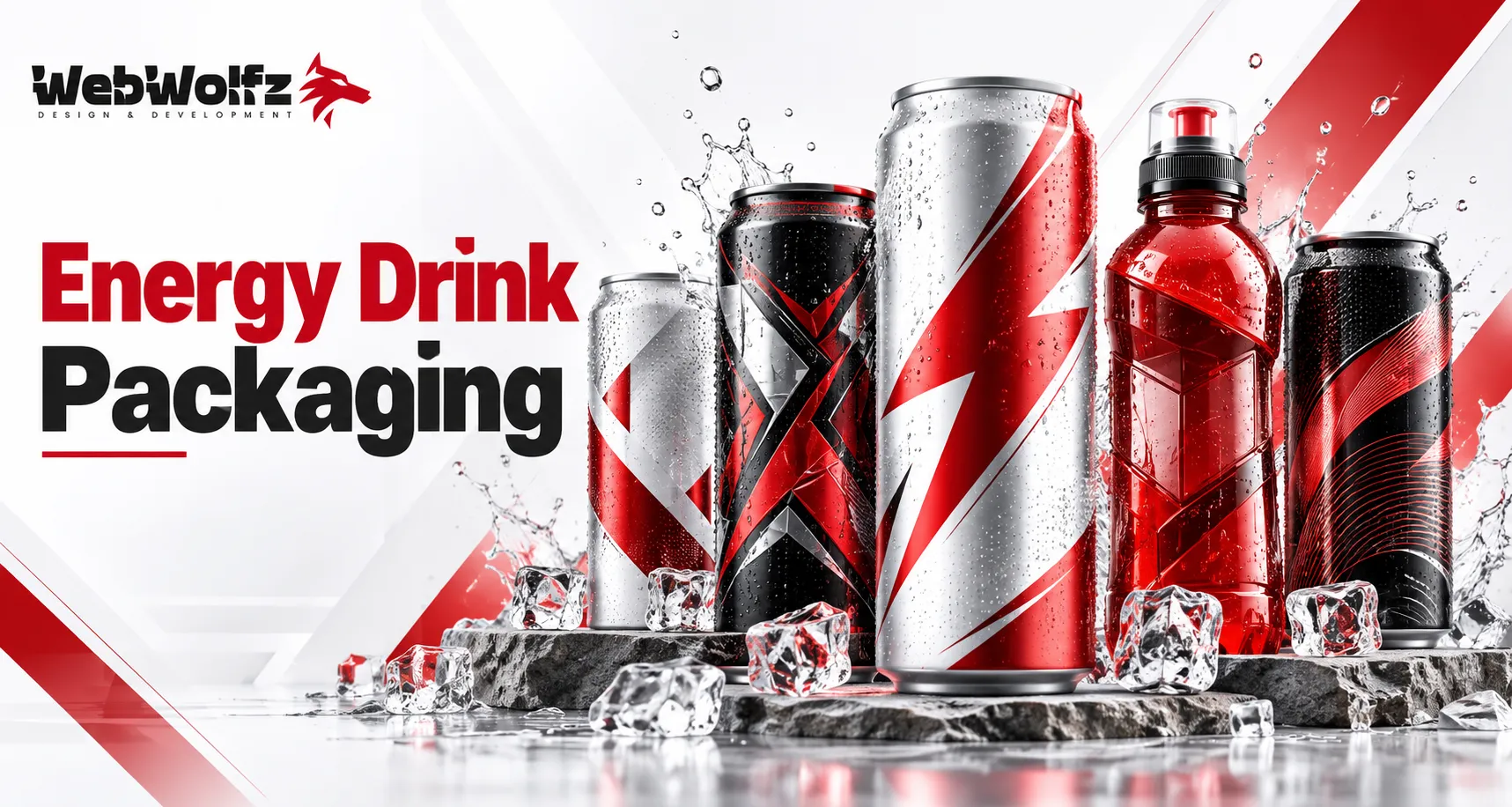
Energy drinks compete in a highly visual category.
Packaging often uses bold typography, strong graphic elements, high contrast, and distinctive brand colors. However, copying the appearance of established competitors can make a new product look generic.
A better approach is to identify a unique visual territory while keeping the product category immediately understandable.
Coffee and RTD Coffee Packaging
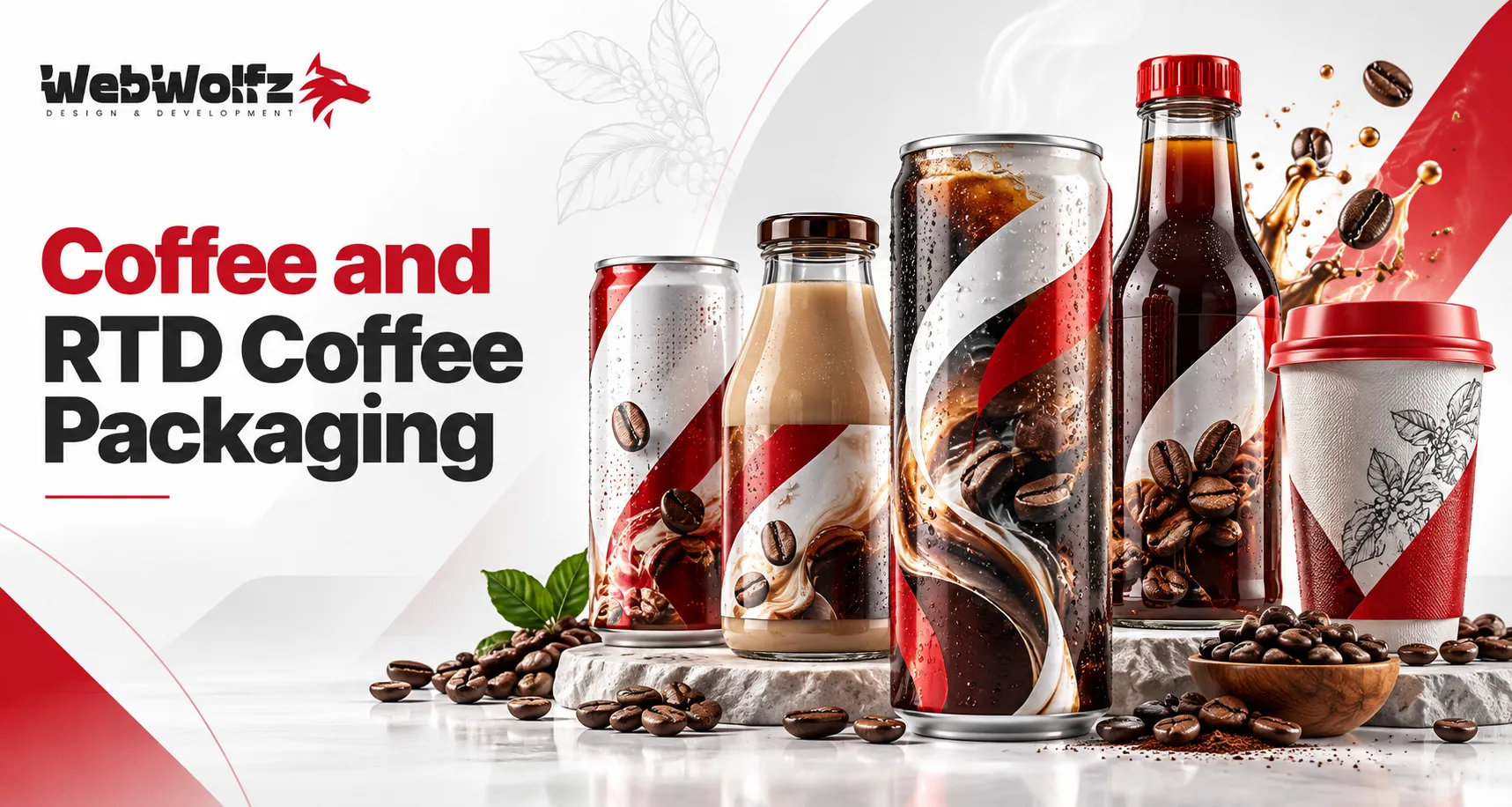
Coffee packaging can communicate quality, roast, flavor, origin, convenience, or lifestyle.
RTD coffee introduces an additional challenge because the packaging needs to combine coffee’s traditional associations with the convenience of a ready-to-drink product.
Functional coffee products can require an even more specific approach. The package may need to communicate both coffee and the functional proposition without allowing one message to overpower the other.
Protein Drinks and Shakes
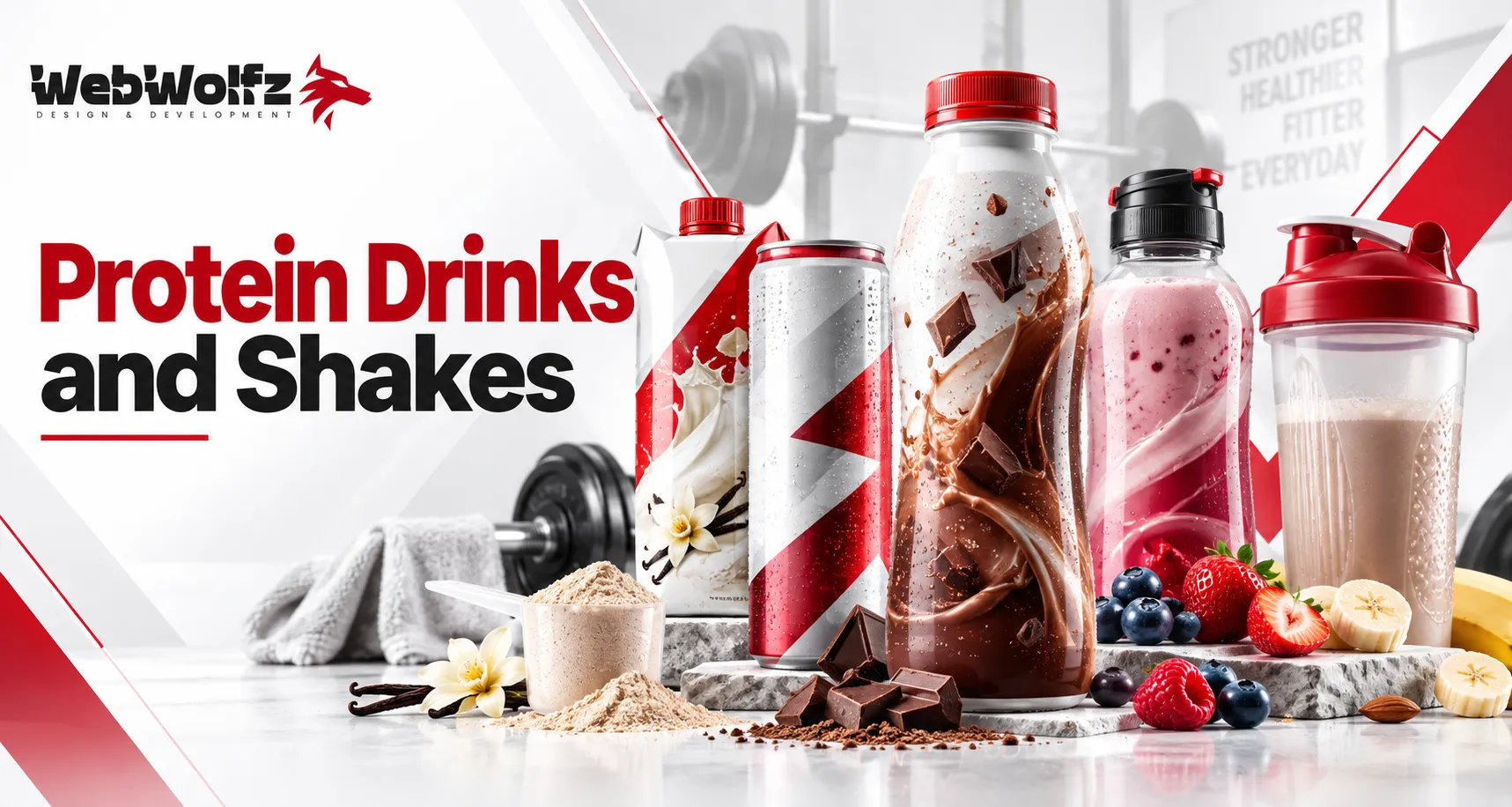
Protein beverages are strongly connected with fitness, nutrition, recovery, and convenience.
Packaging usually needs to make protein quantity, flavor, serving information, and product positioning easy to identify.
A performance-focused product may use a technical visual language, while a lifestyle-oriented shake can use a more approachable and indulgent appearance.
For more examples, explore protein drink packaging design and protein shake packaging design.
Collagen and Beauty Drinks
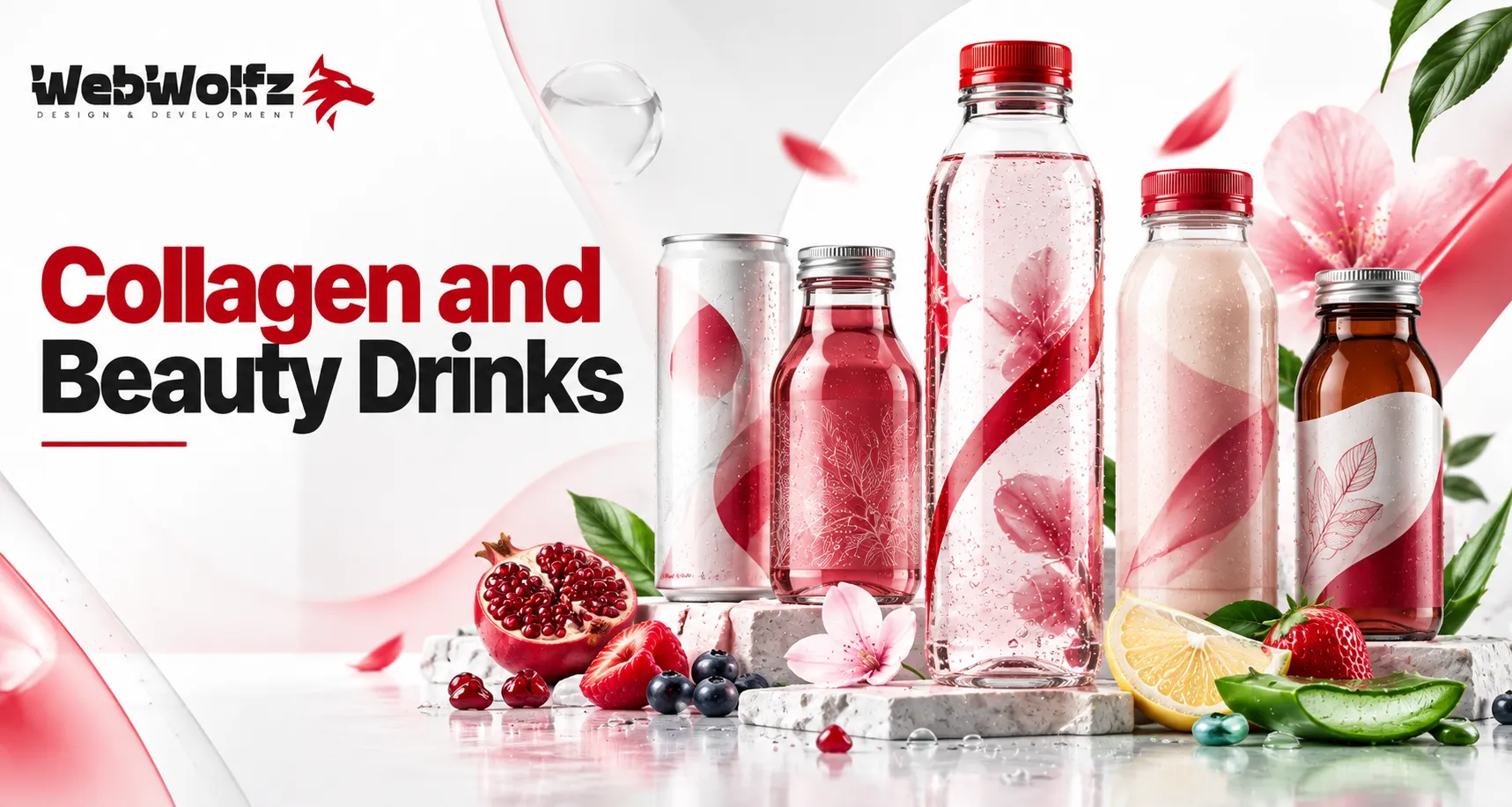
Collagen water and beauty beverages often target consumers interested in wellness, skincare, lifestyle, and everyday nutrition.
Packaging can therefore use a more refined visual approach, with clean layouts, sophisticated typography, restrained graphics, and premium-looking containers.
Brands working in this category can explore collagen water packaging design for ideas around communicating a beauty and wellness proposition through packaging.
How to Build Effective Beverage Packaging
The strongest packaging projects usually start with strategy rather than colors or graphics.
First, identify the target customer. A product aimed at athletes should not necessarily look like a premium café beverage. Similarly, a children’s drink, functional wellness product, and everyday juice should communicate very different experiences.
Next, establish the product positioning. Is it affordable, premium, natural, functional, indulgent, convenient, traditional, or innovative?
Once positioning is clear, the brand identity can guide the packaging.
Logo, typography, color palette, photography, illustrations, icons, and graphic elements should work together instead of appearing as unrelated design choices.
If the existing logo needs improvement, understanding different beverage logo design types in India can help establish a stronger foundation before packaging development begins.
The next stage is information hierarchy. The customer should be able to identify the brand, product type, flavor, and primary selling point without searching through the entire package.
Finally, the design should be tested in realistic conditions. It needs to work when printed, displayed beside competitors, viewed from a distance, photographed for ecommerce, and used across different product variants.
Beverage Labels and Regulatory Information
A beverage package is also an information system.
Depending on the product and market, packaging may need to communicate ingredients, nutrition information, net quantity, manufacturer or marketer details, batch information, dates, storage conditions, usage instructions, and regulatory declarations.
In India, beverage brands should verify the latest applicable requirements from the Food Safety and Standards Authority of India rather than relying on an old packaging template. FSSAI publishes its regulations and amendments through its official website.
Understanding the difference between various label formats is also useful when planning packaging. This guide to types of beverage labels provides additional information.
The important point is that regulatory information should be planned during the design process rather than added at the last minute. This helps prevent overcrowding and unnecessary redesign work.
Packaging Design Trends for 2026
Beverage packaging is increasingly influenced by changing consumer expectations.
Minimalist packaging remains popular because clean layouts can improve readability and help products appear modern. However, minimalism does not mean every package needs to look plain. Strong typography, distinctive illustrations, and carefully selected visual elements can create recognition without unnecessary clutter.
Functional beverages are also influencing packaging trends. Products positioned around hydration, protein, electrolytes, collagen, probiotics, vitamins, and other functional ingredients often need to communicate their purpose within seconds.
Convenience is another major factor. RTD beverages, single-serve bottles, cans, sachets, and portable powders are becoming increasingly important as consumers look for products that fit busy routines.
Sustainability is also receiving greater attention. Material selection, recyclability, packaging waste, and responsible sourcing can all influence purchasing decisions. Brands should ensure that sustainability claims are accurate and supportable.
Another important trend is packaging systems rather than individual designs. A beverage company may eventually have five, ten, or twenty products. Each product needs differentiation while still looking like part of the same brand family.
Creating a Consistent Beverage Brand
Packaging should not exist separately from the rest of the brand.
A customer might first discover a beverage on Instagram, visit the company’s website, see an advertisement, and later encounter the product in a supermarket.
If every touchpoint looks different, the brand becomes harder to remember.
A consistent visual system allows the same identity to work across packaging, websites, social media, advertising, presentations, and promotional material.
Studying best drink branding examples of all time can help brands understand how successful beverage companies maintain recognition across different products and marketing channels.
The website should also support the packaging rather than contradict it. Beverage companies building their online presence need the same attention to typography, imagery, colors, messaging, and positioning.
Should You Hire a Professional Beverage Packaging Designer?
Creating a basic label is possible with a template or general-purpose design software. Building a professional beverage brand is considerably more involved.
A packaging designer needs to understand visual hierarchy, printing, packaging dimensions, brand positioning, SKU variations, typography, production constraints, and customer psychology.
The challenge becomes larger when a company has multiple products.
For example, a beverage company might sell an original drink, three flavors, a sugar-free version, and a premium variant. Designing each package independently can create inconsistency. A professional designer can instead create a scalable system where the products look different but remain clearly connected.
This is one reason many beverage founders choose to work with a branding and design agency rather than coordinating several separate freelancers.
WebWolfz can help beverage businesses develop packaging, branding, visual identity, and supporting design assets as part of one connected brand system. This approach can save time for founders who would rather focus on product development and business growth instead of managing every design detail themselves.
If you already have a beverage concept and want professional help with the visual direction, you can contact WebWolfz to discuss your packaging and branding requirements.
How Packaging Supports Beverage Marketing
Good packaging can become a marketing asset long after the initial design project is complete.
A recognizable package photographs well for social media. A distinctive bottle can become memorable in user-generated content. A strong label can make ecommerce product images easier to identify.
Packaging also helps create consistency in advertising. When the same visual language appears across product photography, website graphics, social media posts, and advertisements, customers receive repeated brand signals.
This is particularly important for newer beverage brands that need to build recognition without spending enormous amounts on advertising.
Final Thoughts
The beverage market continues to expand across traditional drinks, functional products, sports nutrition, wellness beverages, RTD formats, and premium categories. With more products competing for attention, packaging has become an important part of how consumers understand and remember a brand.
The best drinks and beverages packaging design is not simply attractive. It connects the product, audience, brand positioning, packaging format, information hierarchy, and overall customer experience.
Whether you are launching water, juice, coffee, energy drinks, protein beverages, electrolyte drinks, collagen water, or another functional product, the packaging should communicate the right message quickly and consistently.
A professional design system can also make future product launches easier. Instead of starting from scratch for every new flavor or SKU, the brand can use an established visual framework that grows with the business.
For beverage founders who do not want to spend weeks managing logos, packaging, labels, revisions, and multiple design vendors, working with an experienced branding team can make the process considerably simpler.
Frequently Asked Questions
What is drinks and beverages packaging design?
It is the process of creating the visual and physical packaging for beverage products. It can include bottles, cans, pouches, cartons, labels, typography, colors, graphics, materials, and product information.
Why is packaging important for beverage brands?
Packaging creates the first physical impression of a beverage. It can help customers recognize the brand, understand the product, identify its flavor or benefit, and distinguish it from competing products.
Which packaging format is best for beverages?
There is no single best format. Bottles, cans, pouches, cartons, and glass containers all have different advantages. The appropriate format depends on the beverage, target audience, shelf life, distribution, price, and production requirements.
How should beverage packaging be designed?
Start with the target audience and product positioning. Then develop the brand identity, packaging format, information hierarchy, visual system, and final artwork. The design should also be tested in realistic retail and digital environments.
What information should appear on a beverage label?
The exact requirements depend on the product and market. Beverage labels may include product name, ingredients, nutrition information, net quantity, manufacturer or marketer information, batch details, dates, storage information, and required regulatory declarations.
Can one packaging design work for multiple beverage flavors?
Yes. A strong packaging system can maintain consistent brand elements while changing flavor colors, names, illustrations, or other identifiers. This creates variety while preserving brand recognition.
Is professional packaging design worth it for a new beverage brand?
For a commercial beverage launch, professional packaging design can help create stronger differentiation and consistency. It can also reduce the amount of trial and error involved in developing packaging for multiple products and formats.
How can WebWolfz help with beverage packaging?
WebWolfz can help beverage brands with packaging design, branding, visual identity, labels, and supporting brand assets. This allows founders to manage their design requirements through one professional team instead of coordinating multiple independent designers.
What are the important beverage packaging trends in 2026?
Key trends include cleaner visual systems, bold typography, functional beverage positioning, convenient RTD formats, portable packaging, sustainability considerations, and scalable packaging systems designed for multiple SKUs.