

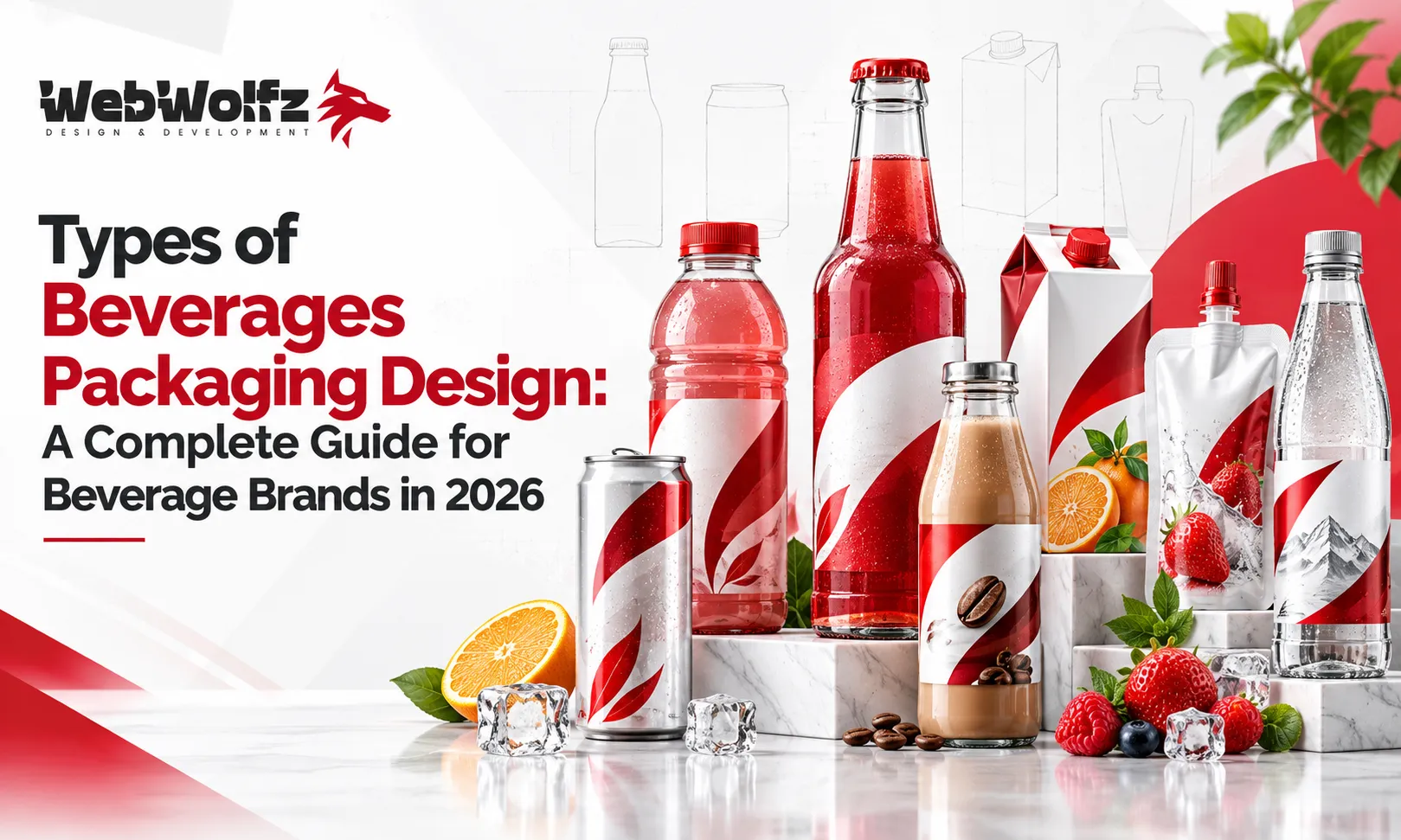
Choosing the right packaging is one of the most important decisions when launching a beverage brand. A drink may have an excellent formula, attractive flavor, and strong marketing strategy, but its packaging still needs to communicate the product quickly and effectively. Consumers often make their first impression from the bottle, can, pouch, carton, or label before they ever taste the beverage.
For this reason, understanding types of beverages packaging design is useful for both new and established beverage businesses. Packaging is not simply about making a container look attractive. It combines brand identity, product information, usability, shelf visibility, protection, and regulatory requirements into one physical experience.
Whether you are developing bottled water, an energy drink, functional beverage, coffee, juice, protein shake, electrolyte drink, or a premium non-alcoholic product, the packaging should match the nature of the drink and the audience you want to reach.
BEVERAGE PACKAGING DESIGN 2026
Create Beverage Packaging That Gets Noticed
Web Wolfz helps beverage brands create distinctive packaging designs, labels, branding systems, and market-ready visuals that make their products stand out on retail shelves and digital platforms.
What Is Beverage Packaging Design?
Beverage packaging design is the process of creating the visual and physical packaging system for a drink. It can include the bottle or can shape, label, typography, colors, graphics, materials, closure, secondary packaging, and information hierarchy.
A successful design answers several questions almost immediately. What is the product? Who is it for? What makes it different? How should it be consumed? What brand does it belong to? Why should someone pick it from a crowded shelf?
This is why packaging design should be considered alongside branding rather than treated as an isolated graphic design task.
For example, a premium sparkling water may benefit from a clean bottle, restrained typography, and a minimal label. An energy drink may need stronger contrast, larger product claims, and a more energetic visual language. A children’s fruit beverage requires a completely different approach.
If you want to understand the broader process, this guide to beverage packaging design explains how branding, packaging structure, labels, and visual communication work together.
Why Packaging Matters for Different Beverage Types
Every beverage category has different expectations. Consumers understand products partly through visual cues they have already learned from the market.
A sports drink usually communicates hydration, performance, movement, and functionality. Coffee packaging often communicates roast profile, flavor, origin, energy, or premium quality. A beauty drink may focus on wellness, elegance, and lifestyle. A carbonated soft drink may rely heavily on color, flavor recognition, and strong brand presence.
The packaging therefore needs to reflect the product’s positioning.
There is also a practical side. Beverage containers must withstand transportation, storage, temperature changes, filling processes, and repeated handling. The design should therefore be developed with the actual packaging material and production process in mind.
For products sold in India, regulatory requirements also need to be considered from the beginning. FSSAI’s Food Safety and Standards (Labelling and Display) Regulations cover requirements for pre-packaged foods and have received amendments, including updates listed by FSSAI in 2025 and 2026.
Major Types of Beverage Packaging
The best packaging format depends on the beverage, distribution model, price point, shelf life, target customer, and consumption occasion.
1. Bottle Packaging Design
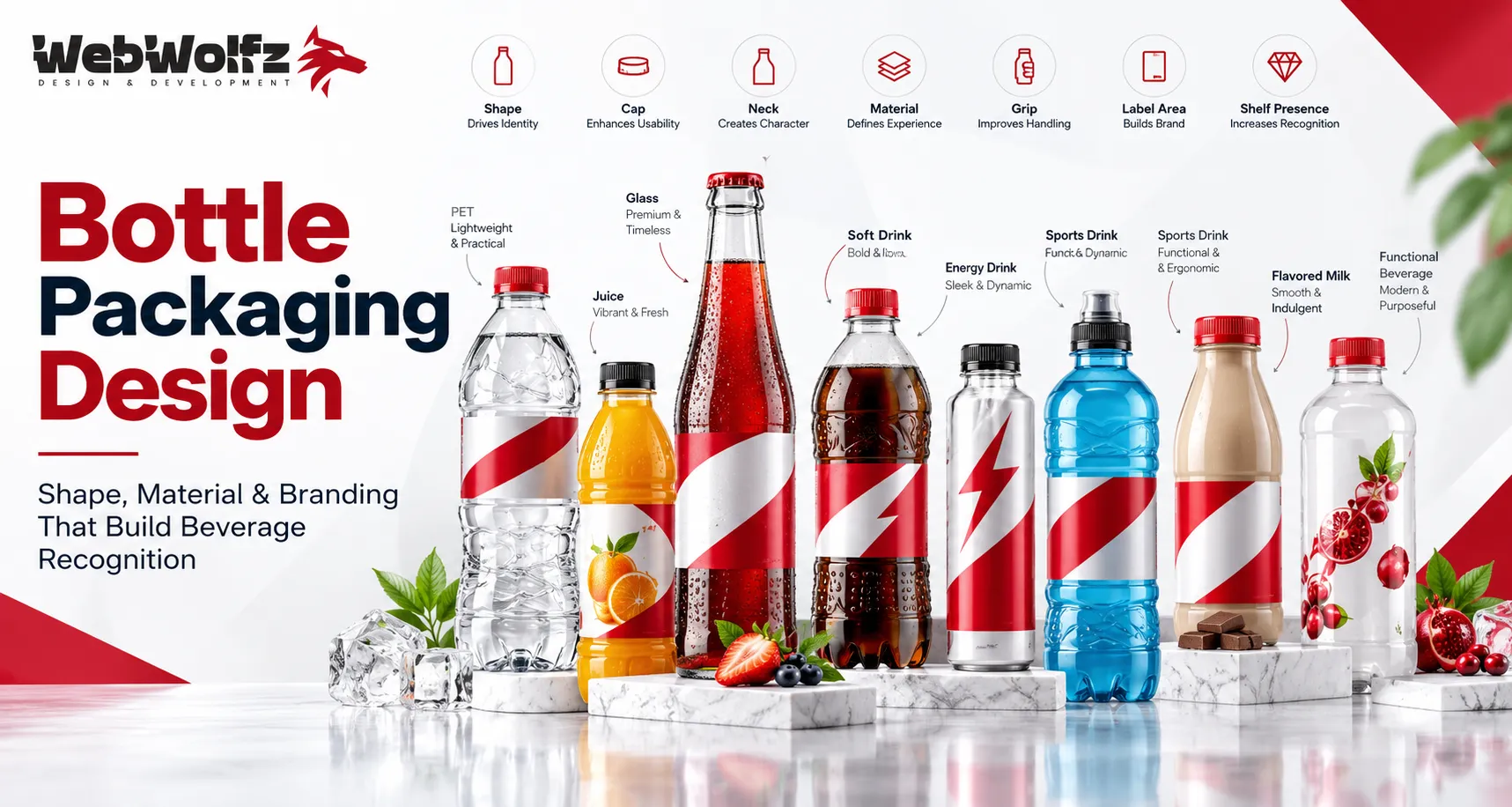
Bottles remain one of the most recognizable beverage packaging formats. They are widely used for water, juices, soft drinks, energy drinks, sports drinks, functional beverages, flavored milk, and ready-to-drink products.
Bottle design involves more than choosing a label. Shape, height, cap, neck, material, transparency, grip, and label area can all influence the final appearance.
A premium beverage may use a distinctive bottle silhouette to create recognition. A mass-market drink may prioritize efficient production, transportation, and shelf utilization.
PET bottles are popular because they are lightweight and practical, while glass bottles can create a premium or traditional perception. The appropriate material should be selected according to the product, market, production requirements, and applicable regulations.
2. Can Packaging Design
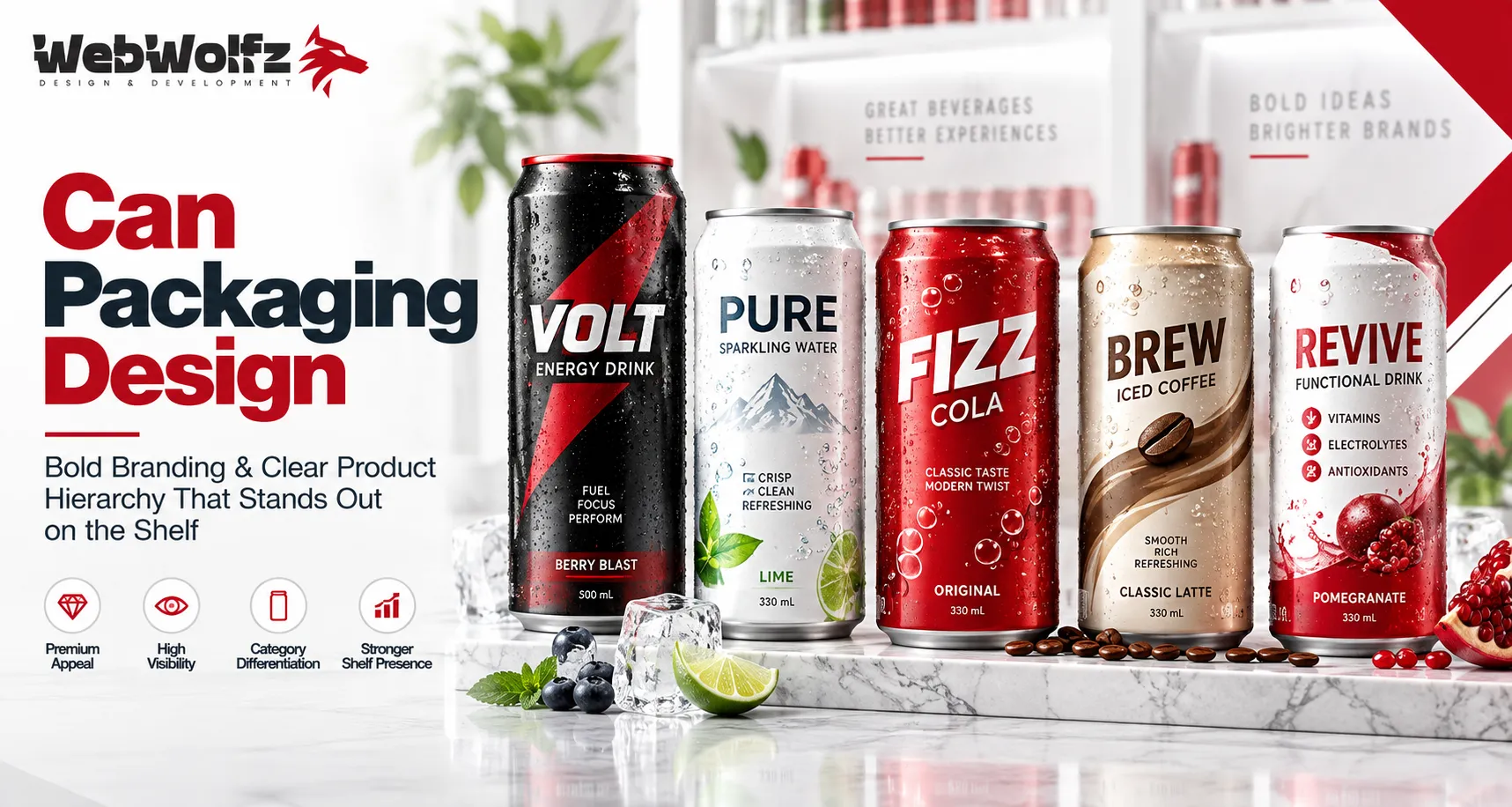
Cans are especially common for energy drinks, carbonated beverages, sparkling water, RTD coffee, and certain functional drinks.
Because a can provides a relatively uninterrupted graphic surface, strong typography and recognizable branding can work particularly well. The design should remain identifiable from a distance and should work when multiple cans are displayed together.
A successful can design usually establishes a clear hierarchy. The brand name, beverage type, flavor, and major product proposition should not compete equally for attention.
This is particularly important for new brands entering crowded categories where consumers may have only a few seconds to compare products.
3. Pouch Packaging Design
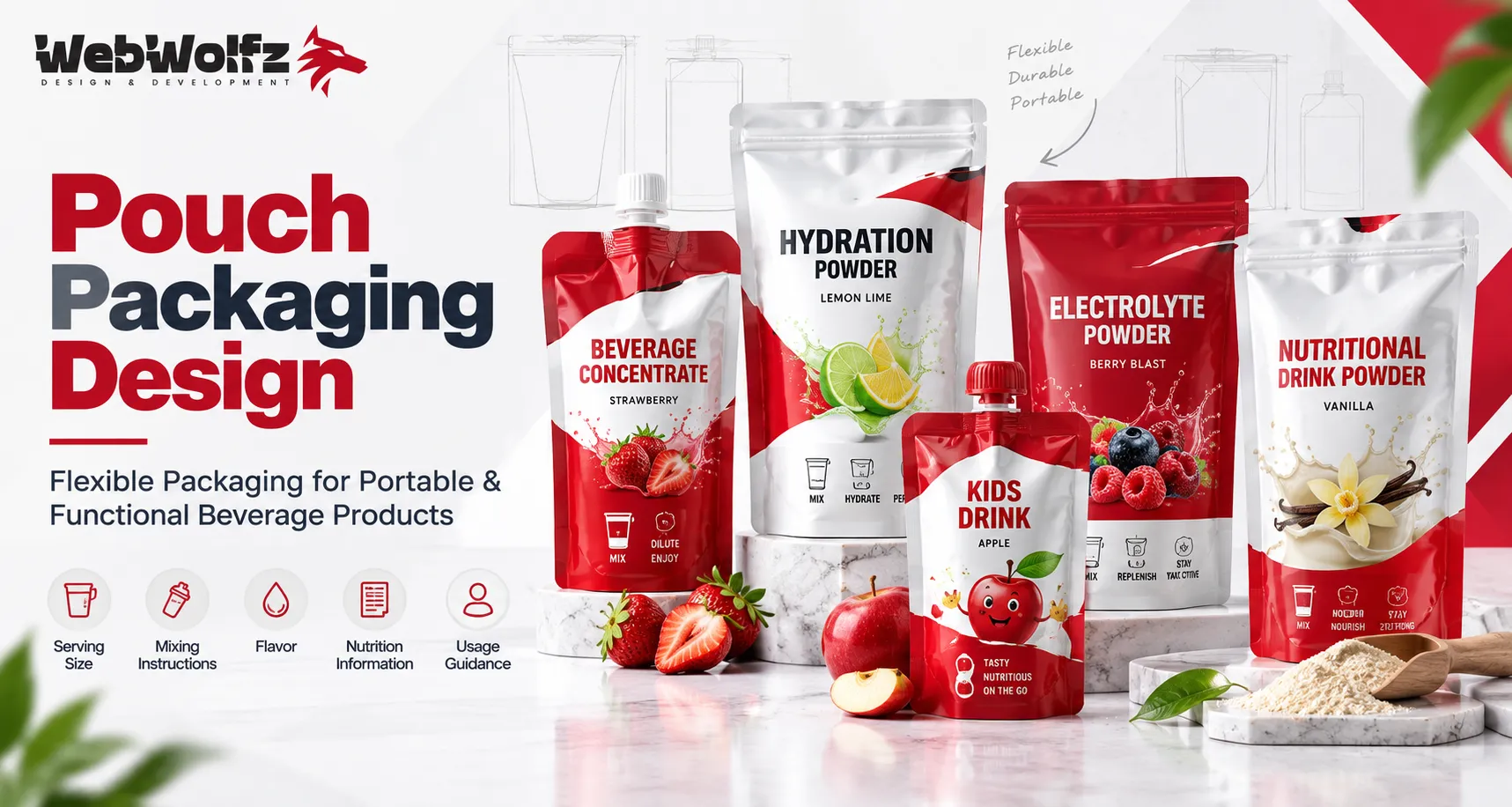
Pouches are increasingly relevant for beverage concentrates, powders, nutritional products, children’s drinks, and products designed around portability.
Their flexible structure creates different design opportunities compared with rigid bottles and cans. Front-facing information needs to remain readable even when the pouch is slightly folded or compressed.
For powdered products, the packaging also needs to communicate preparation instructions clearly. A product such as an electrolyte powder may need serving size, mixing instructions, flavor, nutritional information, and usage guidance without making the front panel feel overloaded.
If you are developing powdered products, related packaging examples such as hydration powder packaging design and electrolyte powder packaging design can help explain how different functional products can use packaging strategically.
4. Carton Packaging Design
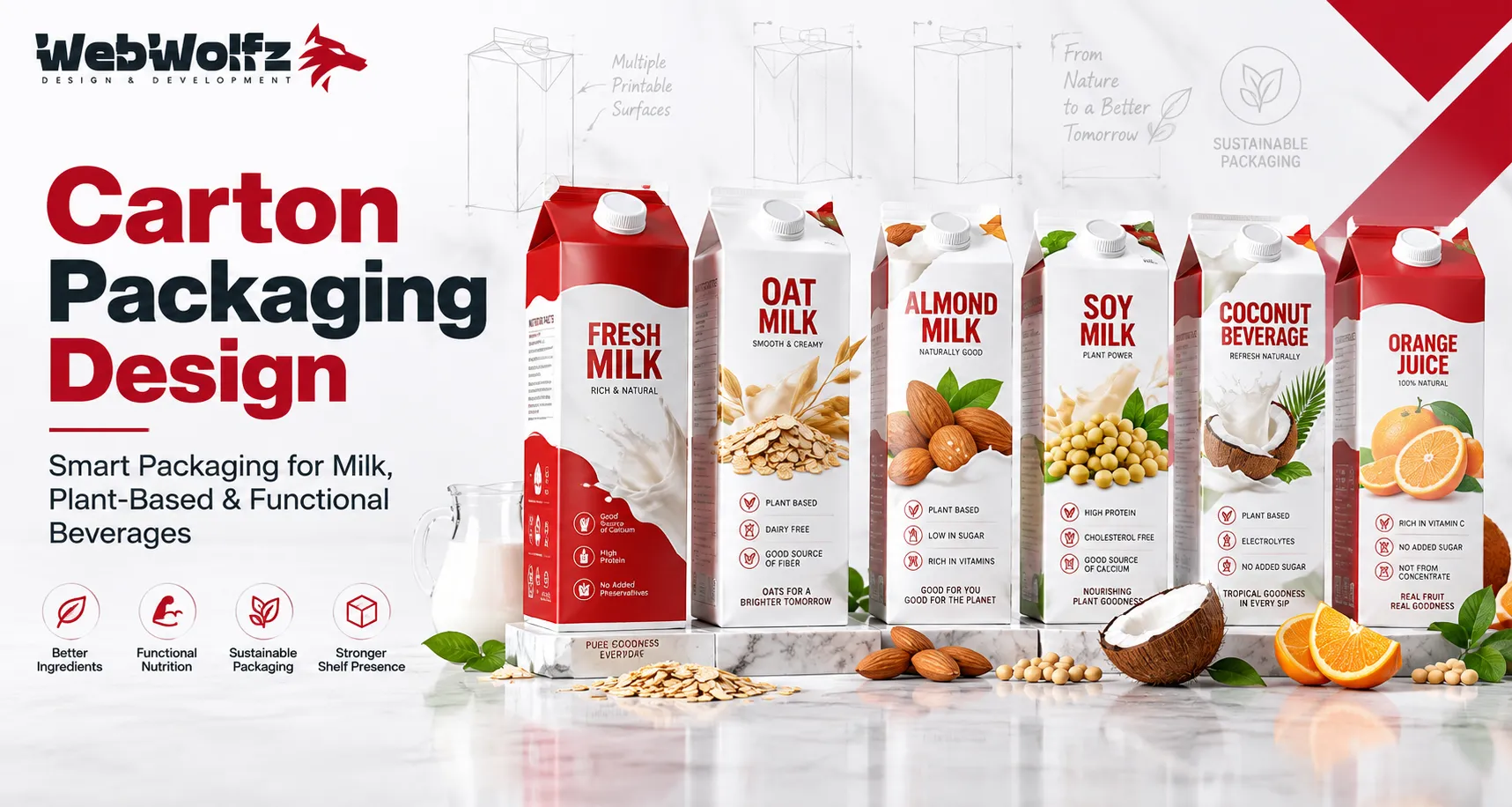
Cartons are commonly associated with milk, plant-based beverages, juices, and certain functional drinks.
They provide multiple printable surfaces, which creates opportunities for storytelling. A beverage company can use the front panel for the primary product message while using side panels for ingredients, nutritional information, preparation instructions, brand story, or sustainability information.
For plant-based beverages, for example, the packaging may need to communicate whether the product is oat, almond, soy, coconut, or another alternative while also highlighting taste and nutritional positioning.
5. Glass Bottle Packaging
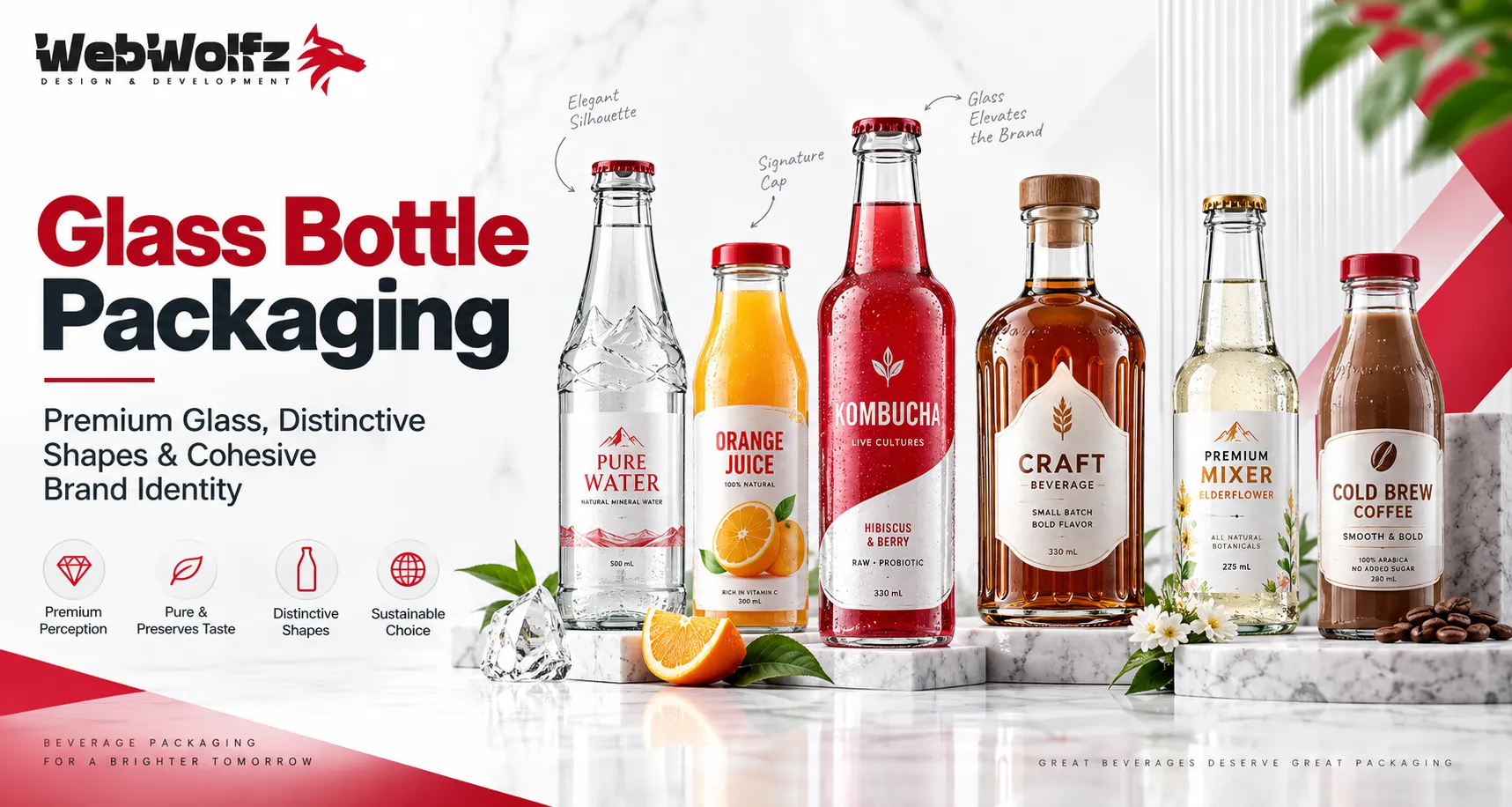
Glass has a strong association with premium beverages. It can be particularly effective for specialty juices, premium water, kombucha, craft beverages, mixers, and selected coffee products.
The weight and transparency of glass can contribute to a premium perception, although logistics and breakage need to be considered.
For a premium beverage, the bottle itself can become part of the brand identity. In such cases, the label, bottle shape, cap, typography, and color palette should be designed as one system rather than separately.
Packaging Design by Beverage Category
The physical container is only one part of the equation. The visual approach should change depending on what is inside it.
Water and Hydration Beverages
Water packaging usually depends on simplicity and trust. Clear bottles, clean typography, blue or neutral palettes, and strong product naming are common visual approaches.
However, premium water brands may move toward minimalist or sophisticated packaging to differentiate themselves from conventional packaged water.
Hydration products can take a more functional approach. A brand selling electrolyte beverages may highlight hydration, electrolytes, flavor, or performance benefits.
For a more focused example, see this guide to hydration drink packaging design.
Packaged drinking water also has specific standards that businesses need to consider. BIS currently lists IS 14543:2024 for packaged drinking water other than packaged natural mineral water.
Energy Drink Packaging
Energy drinks generally require bold and highly recognizable packaging because they compete in visually crowded retail environments.
Dark backgrounds, strong typography, metallic effects, energetic graphics, and high-contrast colors are common approaches, although brands do not need to copy existing market leaders.
A better strategy is to establish a distinctive visual territory while making the product’s purpose obvious.
Coffee and Cold Brew Packaging
Coffee packaging can communicate roast, origin, flavor, sophistication, convenience, or lifestyle.
RTD coffee bottles and cans often need to bridge the visual language of traditional coffee with the convenience expected from modern beverages.
For specialized products, packaging needs to communicate the product difference without making the design confusing. For example, a functional coffee product may require a different visual hierarchy from conventional cold brew. The same applies to products using emerging ingredients or specialized positioning.
You can explore functional coffee packaging design for a more specific example.
Protein and Sports Drinks
Protein drinks need packaging that communicates performance and nutritional value quickly.
The product name, protein quantity, flavor, serving information, and key differentiator often need to be visible without making the package look excessively technical.
For example, a protein shake can use a more indulgent visual direction than a performance-focused protein drink. This is why protein drink packaging design and protein shake packaging design can require different creative strategies.
Electrolyte Beverages
Electrolyte products generally communicate hydration, activity, recovery, and convenience.
Packaging may need to work across bottles, cans, sachets, and powder pouches. Maintaining the same brand identity across these formats is important because consumers should immediately recognize that different products belong to the same company.
Collagen and Beauty Beverages
Beauty drinks are often positioned toward lifestyle and wellness audiences, so packaging can be more elegant and premium.
Soft typography, refined layouts, clean photography, subtle colors, and sophisticated bottle shapes can help communicate a premium proposition.
For brands working in this category, collagen water packaging design and beauty water bottle packaging design provide useful examples of how packaging can be adapted to wellness-oriented products.
Functional and Wellness Beverages
Functional beverages include products such as probiotic drinks, vitamin beverages, adaptogen products, immunity drinks, and other drinks positioned around specific consumer needs.
The biggest packaging challenge is balancing credibility with simplicity. A package overloaded with claims, icons, ingredients, and benefits can become difficult to understand.
The strongest designs usually select one primary message and build the visual hierarchy around it.
How to Create Effective Beverage Packaging Design
A good packaging project should begin with strategy rather than decoration.
First, define the target customer. A product designed for athletes should not necessarily look like a premium lifestyle beverage. A product for teenagers will communicate differently from one targeting working professionals.
Next, establish the product’s positioning. Is it affordable, premium, natural, functional, indulgent, convenient, traditional, or innovative?
The brand identity should then guide the packaging. Logo placement, typography, colors, photography, illustrations, and graphic elements should feel like parts of the same brand system.
If the logo itself needs improvement, understanding different beverage logo design types in India can help before starting the packaging stage.
The next step is information hierarchy. Consumers should be able to identify the brand, beverage category, flavor, and main proposition without searching around the package.
Finally, the design needs to be tested in realistic situations. A package that looks excellent on a computer screen may become less effective when printed, placed on a shelf, viewed from a distance, or displayed beside competitors.
What Information Should Beverage Packaging Include?
Packaging is also an information system. Depending on the product and applicable regulations, labels can include product name, ingredients, nutrition information, net quantity, manufacturer or marketer information, batch details, dates, storage conditions, usage instructions, and required regulatory declarations.
The exact requirements depend on the product category and market. In India, businesses should verify the latest applicable FSSAI requirements rather than relying on an old label template. FSSAI maintains the current Labelling and Display Regulations and amendment history on its official website.
You can also read this detailed guide to types of beverage labels to understand how different label formats and applications work.
For packaged water businesses, relevant BIS standards should also be checked during development. BIS currently lists standards covering packaged drinking water and packaged natural mineral water.
Common Beverage Packaging Design Mistakes
One of the most common mistakes is trying to communicate everything on the front of the package. More information does not automatically make a product more convincing.
Another mistake is designing packaging before understanding the target market. A beautiful design can still fail if it attracts the wrong audience or communicates the wrong price point.
Poor readability is another major issue. Small text, weak contrast, excessive decorative elements, and complicated layouts can make important information difficult to understand.
Inconsistent branding across different products can also weaken recognition. If a company sells water, energy drinks, protein beverages, and powders, each product can have its own personality while still sharing recognizable brand elements.
Finally, businesses sometimes treat packaging as an afterthought. Packaging should ideally be considered alongside product development, pricing, positioning, and distribution.
How Packaging Fits Into a Beverage Brand Strategy
Packaging works best when it is part of a broader brand ecosystem.
The same identity should eventually appear across the product package, website, social media, advertising, retail material, and digital campaigns.
This is particularly important for growing beverage companies. A customer who discovers a product through Instagram should be able to recognize the same brand immediately when they see it in a store.
A beverage company’s website also needs to support the same positioning. For businesses building their digital presence, this beverage company website design guide for India explains how the website can complement the physical brand.
Search visibility matters too. Strong packaging can generate awareness, but consumers increasingly research products online before buying them. A useful SEO strategy for a beverage company in India can help connect packaging, branding, content, and search demand.
For inspiration, brands can also study the best drink branding examples of all time to understand how successful companies create recognizable visual identities.
Should You Design Beverage Packaging Yourself or Hire a Professional?
Basic packaging can be created internally, but professional packaging design becomes valuable when the product needs to compete seriously in retail or online markets.
A professional designer can help translate the product strategy into a visual system while considering print production, packaging dimensions, hierarchy, brand consistency, and customer perception.
This becomes even more useful when a company has multiple SKUs. Instead of creating every product independently, a designer can build a packaging system that allows new flavors and product variants to be added without losing brand recognition.
For companies that do not want to spend weeks coordinating branding, packaging, website graphics, and marketing creatives across different freelancers, working with a dedicated design agency can simplify the process.
WebWolfz can help beverage businesses develop branding and packaging visuals as part of a broader graphic design and branding strategy. Instead of treating the logo, package, website, and marketing material as unrelated projects, the goal is to create one consistent brand experience.
If you already have a beverage concept and want to discuss the design direction, you can contact WebWolfz to explore the project.
Packaging Trends Beverage Brands Should Watch in 2026
Beverage packaging continues to move toward cleaner layouts, stronger brand systems, practical formats, and more intentional communication.
Minimalism remains relevant because it improves readability and helps products stand out without visual clutter. At the same time, bold typography and distinctive illustrations are being used by brands that want stronger shelf recognition.
Functional beverages are also creating new packaging requirements. Products such as hydration drinks, protein beverages, collagen water, electrolyte powders, and energy products often need to communicate benefits quickly.
Sustainability is another important consideration. Consumers increasingly pay attention to materials, recyclability, packaging waste, and responsible production. However, sustainability claims should be accurate and supported rather than used simply as decorative marketing language.
Personalization and product-line systems are also becoming more important. Brands want packaging that can accommodate multiple flavors and formats while retaining a consistent identity.
For products such as energy gels and portable nutrition, flexible packaging can become part of the product experience itself. A good example is energy gel sachet packaging design.
The same principle applies beyond beverages. Packaging knowledge can also transfer to adjacent FMCG categories, including seasoning pouch packaging design, where shelf visibility, information hierarchy, and brand recognition remain important.
Final Thoughts
The right beverage package does more than hold a drink. It communicates what the product is, who it is for, why it is different, and what customers can expect from the brand.
The best types of beverages packaging design are therefore not selected simply because they look attractive. They are chosen according to the beverage category, target audience, positioning, distribution channel, production requirements, and regulatory needs.
Whether you are launching bottled water, an energy drink, RTD coffee, protein shake, electrolyte beverage, functional drink, or another product, packaging should be developed as part of the overall brand strategy.
A strong package can improve shelf recognition, support premium positioning, create consistency across product ranges, and make a new beverage easier for consumers to understand.
If you already have the beverage formula and need help turning the concept into a professional visual identity, packaging system, and wider brand presence, working with an experienced design team can save considerable time and reduce the trial-and-error involved in handling every stage independently.
Frequently Asked Questions
What is beverage packaging design?
Beverage packaging design is the process of designing the physical and visual presentation of a drink. It can include the bottle, can, pouch, carton, label, typography, colors, graphics, materials, and required product information.
Which packaging is best for beverages?
There is no single best packaging format for every beverage. Bottles work well for water and many ready-to-drink products, cans are popular for energy drinks and carbonated beverages, cartons are common for milk and juices, while pouches are useful for powders, concentrates, and portable products. The right choice depends on the product, customer, price point, distribution, and production requirements.
What should a beverage label contain?
The required information depends on the beverage category and applicable regulations. In India, beverage brands should check the latest FSSAI Labelling and Display Regulations for applicable requirements.
Is packaging design important for a new beverage brand?
Yes. Packaging is often the first physical interaction consumers have with a beverage. Good packaging can communicate the product category, positioning, flavor, benefits, and brand identity quickly while helping the product stand out from competitors.
How much does beverage packaging design cost?
The cost depends on factors such as the number of SKUs, packaging formats, branding requirements, illustration or photography needs, label complexity, and the number of design concepts and revisions. A single-label project will generally require less work than a complete beverage brand identity with multiple packaging variants.
Can the same design be used for different beverage flavors?
Yes. A well-developed packaging system can use consistent brand elements while changing colors, flavor names, illustrations, or other visual identifiers for different SKUs. This helps create product variety without losing overall brand recognition.
Should a beverage company hire a professional packaging designer?
For a serious commercial launch, professional design can be valuable because packaging needs to combine branding, readability, production considerations, market positioning, and regulatory information. Professional support can also make it easier to build a scalable system for future flavors and product formats.
Does packaging design affect beverage sales?
Packaging can influence product recognition, perceived quality, shelf visibility, and purchase decisions. It cannot compensate for a poor product, but strong packaging can make a good beverage easier to notice, understand, and remember.
How can I start a beverage packaging design project?
Start by defining the beverage category, target audience, positioning, packaging format, number of SKUs, and key product information. Once those basics are clear, a professional design team can develop the visual direction and packaging system around the brand strategy.